North Carolina became the 12th state on November 21, 1789. Here is its history in one place: 61 historic sites you can visit (18 free), 40 National Historic Landmarks, 50 historic tours and trails, 36 history events and a 59-event timeline, each checked against an official page.
Header photo: The first powered, controlled flight, 120 feet in 12 seconds, at Kill Devil Hills on December 17, 1903. Credit: Library of Congress, Prints & Photographs Division, LC-DIG-ppprs-00626.
- 178912th state (Nov 21, 1789)
- 61historic sites to visit
- 40National Historic Landmarks
- 50tours and trails
- North Carolina history by era
- Historic sites by region
- Tours and trails
- History events
- Markers, archives, America 250
North Carolina holds England’s first New World colonies on Roanoke Island, the first colony-wide call for independence (the Halifax Resolves of April 12, 1776), the Civil War’s largest troop surrender at Bennett Place, and the Wright brothers’ first powered flight in 1903.
North Carolina History by Era
The short version, era by era. Every date is on the full 59-event timeline with its source.
- 13,000-8000 B.C.: American Indians have lived continuously in the region that became North Carolina since the Paleo-Indian period.
- About the 11th century A.D.: A Pee Dee (South Appalachian Mississippian) culture emerged in the Pee Dee River Valley and built a ceremonial center with an earthen mound at Town Creek.
- 1587: John White led 117 men, women and children to the New World; when he returned three years later the colony had disappeared.
- 1705: Bath, North Carolina’s first town, was founded near the Pamlico River.
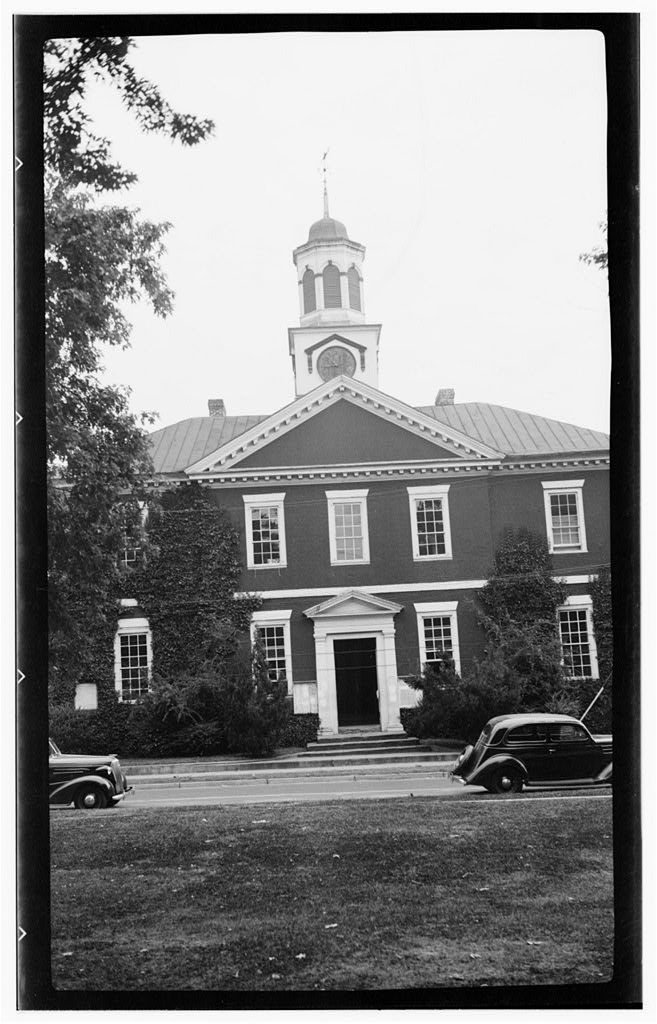
- February 27, 1776: Patriots defeated a Loyalist charge at Moores Creek Bridge – the last broadsword charge by Scottish Highlanders and the first significant Patriot victory of the Revolution.
- April 12, 1776: The Fourth Provincial Congress at Halifax unanimously adopted the Halifax Resolves, the first official action by an entire colony recommending independence.
- March 15, 1781: Gen. Nathanael Greene’s army fought Lord Cornwallis at Guilford Courthouse, a battle that changed the course of the Southern Campaign.
- November 21, 1789: Meeting in Fayetteville, a state convention voted to ratify the U.S. Constitution, making North Carolina the twelfth state.
- 1799: Conrad Reed found a 17-pound gold nugget in Little Meadow Creek – the first documented gold find in the United States.
- May 1838: U.S. troops and militia began forcibly removing Cherokee people from their homelands, including North Carolina – the Trail of Tears.
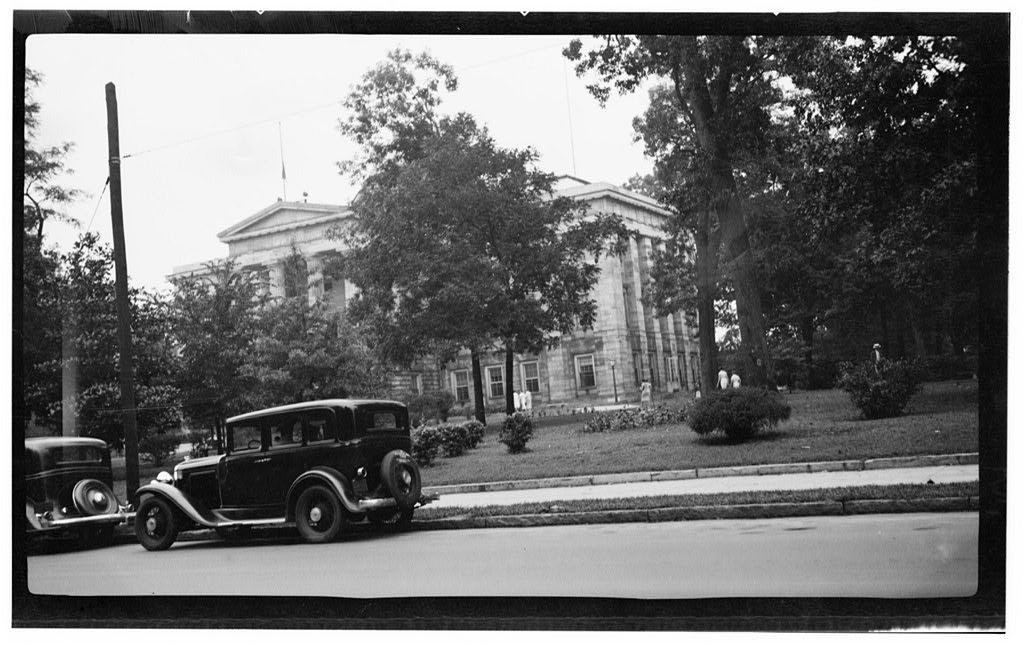
- March 19-21, 1865: The Battle of Bentonville, the largest battle fought in North Carolina, failed to stop Sherman’s army.
- April 26, 1865: Johnston surrendered to Sherman at the Bennitt (Bennett) farm – the largest troop surrender of the Civil War.
- 1866: A state act allowed formerly enslaved couples to legitimize their marriages through cohabitation bonds filed with county registers of deeds.
- December 16, 1870: The new Cape Hatteras Lighthouse was lit for the first time.
- Christmas Eve 1895: George W. Vanderbilt officially opened Biltmore House after five years of construction.
- November 10, 1898: A white mob led by Red Shirts violently overthrew Wilmington’s legitimately elected biracial government, burned the Black-owned Daily Record and killed Black citizens – the Wilmington Massacre and Coup d’etat.
- December 17, 1903: Wilbur and Orville Wright made the world’s first heavier-than-air, powered, controlled flight at Kitty Hawk.
- 1935: Construction of the Blue Ridge Parkway began as a New Deal Public Works Administration project; it was completed 52 years later with the Linn Cove Viaduct in 1987.
- February 1, 1960: Four N.C. A&T students sat at the whites-only Woolworth lunch counter in Greensboro, launching sit-ins across the South.
- 1960: At Shaw University in Raleigh, Ella Baker was credited with creating the Student Nonviolent Coordinating Committee (SNCC), a principal outcome of the sit-ins.
- December 18, 2025: The Lumbee Fairness Act, granting full federal recognition to the Lumbee Tribe of North Carolina, was signed into law.
- 2026: North Carolina marks the 250th anniversary of the Halifax Resolves and U.S. independence with statewide America 250 NC events.
Historic Sites to Visit, by Region
The highlights in each region. Hours, admission and every site are on historic sites in North Carolina.
Historic Tours and Trails
50 ways to see North Carolina history on foot, by car or with a ranger. All of them: historic tours in North Carolina.
| Tour or trail | Where | Price | When |
|---|---|---|---|
| Overmountain Victory National Historic Trail | Western NC (plus VA, TN, SC) | Free | Year-round, sunrise to sunset |
| U.S. Civil Rights Trail – North Carolina sites | Greensboro, Durham, Raleigh | Free to follow (museum fees vary) | Year-round |
| Guilford Courthouse battlefield audio tour | Greensboro | Free | Any time the park is open |
| Historic Edenton guided tours | Edenton | $5 adults; $4 seniors/military; $1 youth 3-17 (+tax) | Tue-Sat 10, 11, 1, 2, 3 (summer hours) |
| Historic Halifax self-guided walking tour | Halifax | Free | Tue-Sat 9-5 |
| Reed Gold Mine underground tour | Midland | $5 adults; $4 seniors/military; $1 children 3-17 | Tue-Sat 10, 11, 12, 1:30, 2:30, 3:30 |
| Tryon Palace guided Palace tour | New Bern | One Day Pass $20 adults, $10 youth 6-14 (+tax) | Mon-Sat 10:30-2:30; Sun 12:30-2:30 (reserved tour times) |
| Great Smoky Mountains Railroad | Bryson City | See official site | Seasonal excursions |
History Events Coming Up
Reenactments, living history and candlelight tours with dates the organizers have posted. All 36: history events in North Carolina.
| Event | Where | When |
|---|---|---|
| Christmas at Biltmore | Asheville | Nov 3, 2026 to Jan 10, 2027 |
| Remembering the American Revolution in the Cherokee Homeland | Online | Nov 4, 2026 |
| Appalachian Foodways Tour at Vance Birthplace | Weaverville | Nov 7, 2026 |
| Death & Dying Seasonal Tour | Pineville | Nov 7, 2026 |
| Veterans Day Commemoration Battlefield Hike | Greensboro | Nov 7, 2026 |
| America 250 Patriot Grove Dedication | Grifton | Nov 11, 2026 |
| Bentonville Fall Festival | Four Oaks | Nov 14, 2026 |
| Moores Creek Candlelight Tour | Currie | Nov 21, 2026 |
Historical Markers, Archives and America 250
| Program | Run by | What it is | Link |
|---|---|---|---|
| NC Highway Historical Marker Program | NC Dept. of Natural and Cultural Resources (Office of Archives and History) jointly with NC Dept. of Transportation | Silver-and-black roadside markers in every county; operating since 1935, one of the oldest such programs in continuous operation in the U.S.; searchable database by county and topic (over 1600 markers) | Official page |
| National Register of Historic Places – NC listings | NC State Historic Preservation Office (HPO) | Searchable county-by-county list with nomination PDFs and HPOWEB map links (over 3,000 National Register listings (not including archaeological listings)) | Official page |
| State Archives of North Carolina | DNCR Office of Archives and History | Government records, manuscripts, photographs, maps; research room; America 250 materials (not stated) | Official page |
| NC Division of State Historic Sites and Properties | DNCR | Operates the state historic sites; events calendar on events.dncr.nc.gov (26 sites listed on ‘All Sites’ (incl. Shallow Ford future site; CSS Neuse and Caswell Memorial share one entry)) | Official page |
| NCpedia | State Library of North Carolina (Government & Heritage Library) | Online encyclopedia of NC history incl. the Encyclopedia of North Carolina (UNC Press, 2006) (more than 8,400 articles and 9,200 images) | Official page |
| America 250 NC | DNCR (NC Division of Research and Publications listed on site) | North Carolina’s official commemoration of the 250th anniversary; multi-year program from April 12, 2024, focus on 2026, events through 2033; county committees; Freedom Fellows; Youth 250 (not stated) | Official page |
| America 250 NC event calendar | America 250 NC (DNCR) via events.dncr.nc.gov | Statewide America 250 events; organizations can submit events under ‘America 250’ topic (not stated) | Official page |
| Blue Ridge National Heritage Area | Blue Ridge National Heritage Area | Regional steward of living Appalachian traditions in western NC (not stated) | Official page |
| Gullah Geechee Cultural Heritage Corridor | Gullah Geechee Cultural Heritage Corridor Commission | Congress-established NHA covering coastal NC, SC, GA, FL (not stated) | Official page |
| Southern Campaign of the Revolution National Heritage Corridor | NPS heritage areas program listing | 8-mile-wide corridor of Revolutionary War sites across NC and SC; designated 2023 (NPS) (not stated) | Official page |
More North Carolina History Pages
Longer pages on single topics, each with dated facts and a source on every row, plus the North Carolina Legends trail of stories and what the sources say is true.
- Appalachian Music and Bluegrass in North Carolina
- Black History in North Carolina
- The Civil War in North Carolina
- North Carolina Lighthouses
- The Revolutionary War in North Carolina
- Textiles and Tobacco in North Carolina
- The Wright Brothers and The First Flight
National Historic Landmarks
North Carolina has 40 National Historic Landmarks on the National Park Service list. See every North Carolina National Historic Landmark by region, with which ones you can visit.
Frequently Asked Questions
When did North Carolina become a state?
North Carolina became the 12th state on November 21, 1789. On that day a state convention meeting in Fayetteville voted to ratify the U.S. Constitution, making North Carolina the twelfth state to do so (source: NCpedia: Convention of 1789).
What is the oldest town in North Carolina?
Bath, founded in 1705 near the Pamlico River, is North Carolina’s first town. Its St. Thomas Church, begun in 1734, is the state’s oldest existing church today. Historic Bath State Historic Site there is free to visit, with paid house tours (source: NC Historic Sites: Historic Bath – History).
What happened to the Lost Colony?
Nobody knows. In 1587 John White led 117 men, women and children to Roanoke Island, England’s colony sponsored by Sir Walter Raleigh. When White returned three years later, the colony had disappeared. Fort Raleigh National Historic Site in Manteo tells the story and is free to visit (source: NPS: Fort Raleigh NHS – The Lost Colony).
Where did the Wright brothers make the first flight?
At Kill Devil Hills, near Kitty Hawk, on December 17, 1903, Wilbur and Orville Wright made the first powered, controlled, heavier-than-air flight. Wright Brothers National Memorial is open daily 9-5 except December 25, and entry is $10 per person aged 16 and older (source: NPS: Wright Brothers National Memorial – Fees).
Is the North Carolina Museum of History open?
No. The North Carolina Museum of History in Raleigh closed for renovation in October 2024 and is scheduled to reopen in 2028. Its programs continue statewide and online, and the state’s seven regional history museums remain open (source: NC Museum of History: Frequently Asked Questions).
How many historical markers are there in North Carolina?
Over 1,600. The North Carolina Highway Historical Marker Program, run by the Department of Natural and Cultural Resources with the Department of Transportation, has placed its silver-and-black roadside markers since 1935, and the markers can be searched online by county and topic (source: NC DNCR: North Carolina Highway Historical Marker Program).
Last checked October 20, 2026 by the It’s North Carolina editors against each operator’s, agency’s or organizer’s own page.
Sources
- NCpedia: Convention of 1789
- National Park Service: places in North Carolina
- National Park Service: National Historic Landmarks program
- NCpedia: American Indian People in North Carolina – Introduction
- NC Historic Sites: Town Creek Indian Mound – American Indian Legacy
- NCpedia: Verrazano Expedition
- NCpedia: Pardo Expeditions
- NPS: Fort Raleigh NHS – History & Culture
- NC Highway Historical Marker Program
- National Register of Historic Places – NC listings
- State Archives of North Carolina
- NC Division of State Historic Sites and Properties
- NCpedia
- America 250 NC
- America 250 NC event calendar
- Blue Ridge National Heritage Area
- Gullah Geechee Cultural Heritage Corridor
- Southern Campaign of the Revolution National Heritage Corridor